Megachilidae
Megachile pluto
Wallace's giant bee
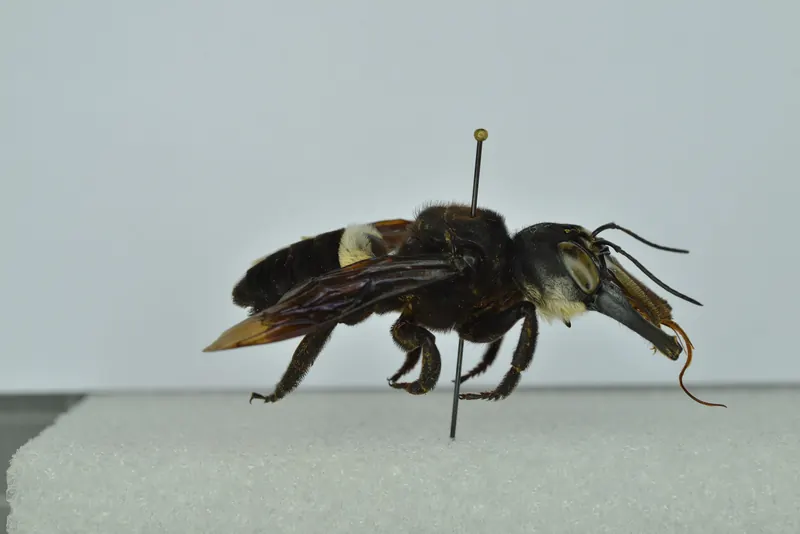
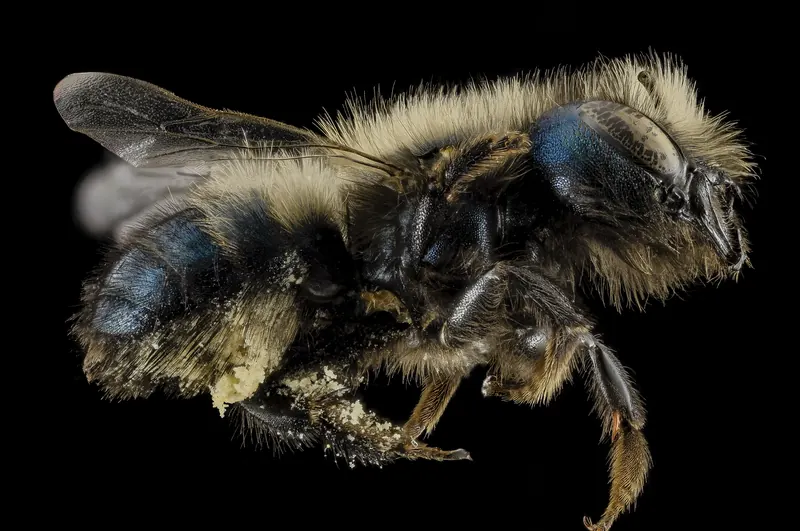
Wallace's giant bee is considered the largest known living bee, with females up to 38 mm long. It is known only from three islands of the North Moluccas in Indonesia, where females nest inside the nests of tree-dwelling termites and gather tree resin. After decades without records it was found again in 1981, and a single female was found and photographed in 2019.
What we know
How to recognise it
Where it lives
It is known only from three islands in the North Moluccas of Indonesia: Bacan, Halmahera and Tidore.
Confirmed fact[1]
Life cycle and colony
Researchers think it nests communally inside termite nests in trees.
Confirmed fact[3]
Nest
Behaviour
The females appear to use their big jaws to collect tree resin, rolling it into neat balls that they carry in flight.
Confirmed fact[3]
Bees and people
Alfred Russel Wallace collected the bee on Bacan Island in the late 1850s, and the British entomologist Frederick Smith described it as a new species in 1860.
Confirmed fact[1]After going unrecorded for many decades, the bee was found again in 1981 by the entomologist Adam C. Messer, who reported the first known males.
Confirmed fact[1]A specimen offered on an international online auction site sold to a private collector for US$9,100.
Confirmed fact[1]
Conservation
In January 2019 a search team found a single female living in a termite nest in a tree, about 2.5 metres off the ground, in the North Moluccas.
Observation[2]The IUCN Red List assesses Wallace's giant bee as Vulnerable (assessment by Michael Kuhlmann, published 2014).
Confirmed fact[4]Its forest habitat faces extensive clearing for agriculture, which researchers see as a concern for the species.
Confirmed fact[1]
Where it has been recorded
Each hexagon contains at least one record of Megachile pluto shared with GBIF: museum specimens, surveys and photographs.
12 records
- Indonesia7
- Malaysia1
GBIF.org occurrence data for taxon key 1336561, retrieved 2026-10-19. Observation[5]
Records show where the bee has been found and reported, not its full range or its abundance. Isolated points far from the main cluster can be misidentifications, captive or imported bees, or genuine rare finds.
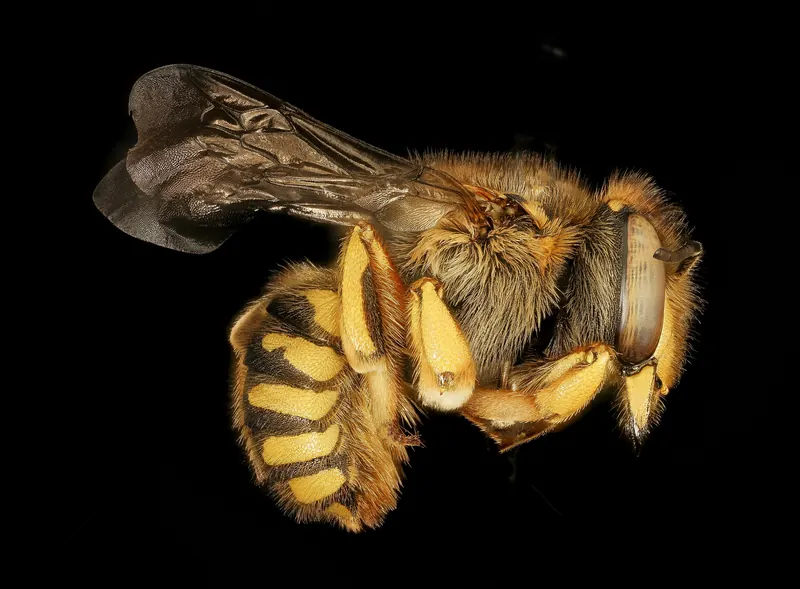
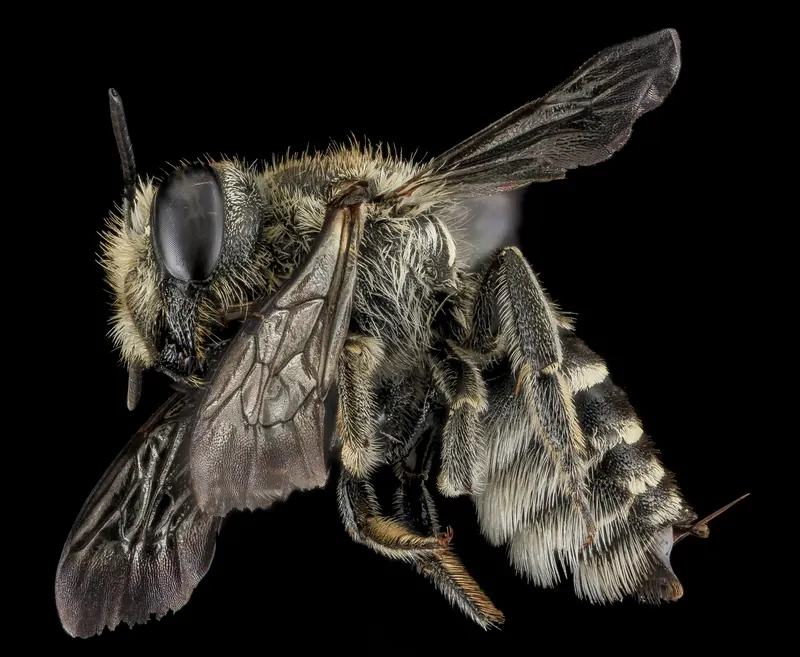
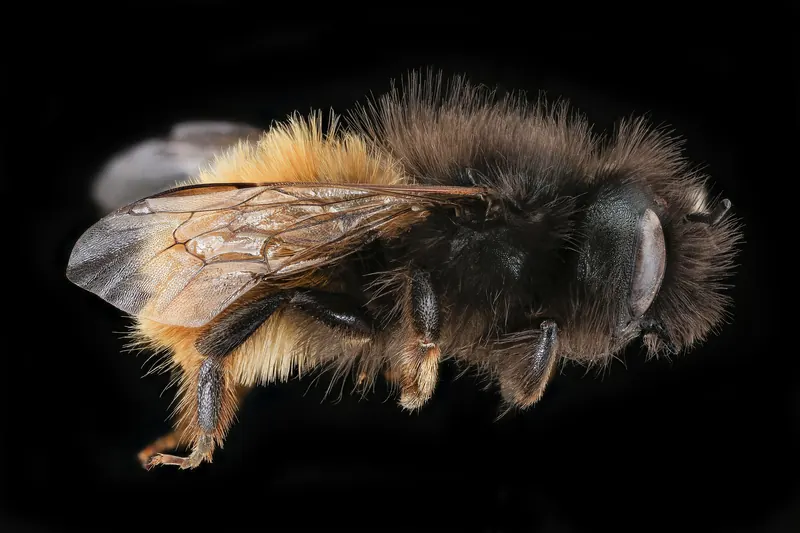
More from this part of the bee family tree
Sources
- Vereecken, N. J. (2018). Wallace's Giant Bee for sale: implications for trade regulation and conservation. Journal of Insect Conservation 22(5-6): 807-811. doi:10.1007/s10841-018-0108-2 Link
- University of Sydney (2019, 22 February). World's biggest bee found. University of Sydney News. Link
- Oxford University Museum of Natural History (2013, 4 November). What's on the van? Wallace's giant bee. More than a Dodo (OUMNH blog). Link
- Kuhlmann, M. (2014). Megachile pluto. The IUCN Red List of Threatened Species 2014: e.T4410A21426160. doi:10.2305/IUCN.UK.2014-1.RLTS.T4410A21426160.en Link
- GBIF.org (2026). Occurrence search and density maps for Megachile pluto, taxon key 1336561. Link
Last checked: 20 October 2026. Every statement on this page was compared with the source it cites. Spotted an error? Report it.