Inside the hive, around the apiary
How a honey bee colony divides its work, talks, reproduces and survives winter, and how beekeepers in Central Europe work with it. No treatment instructions: for bee health, follow your national veterinary authority.
Explore the interactive comb on the homepage
Follow one worker from the egg to her last flight
The colony
How a honey bee colony works. Everything here is about the western honey bee, Apis mellifera, unless stated otherwise.
4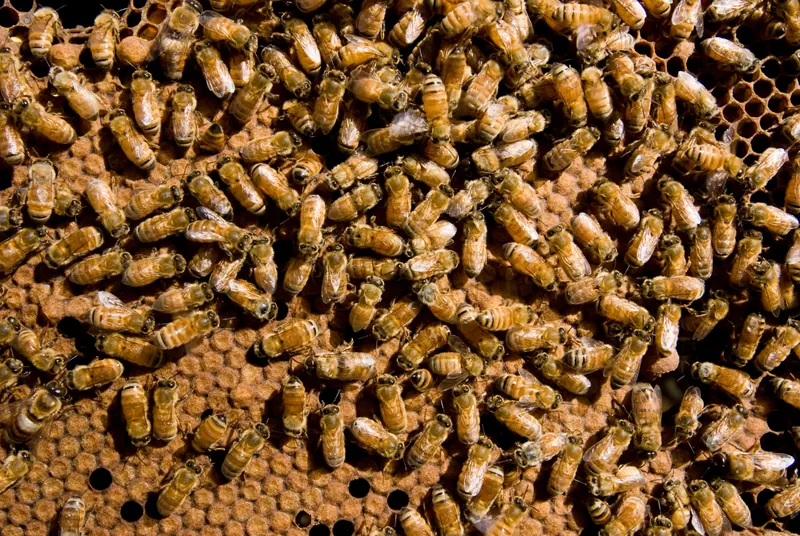
Who does what in a honey bee colony
A honey bee colony runs on three castes and on workers whose jobs change as they age.
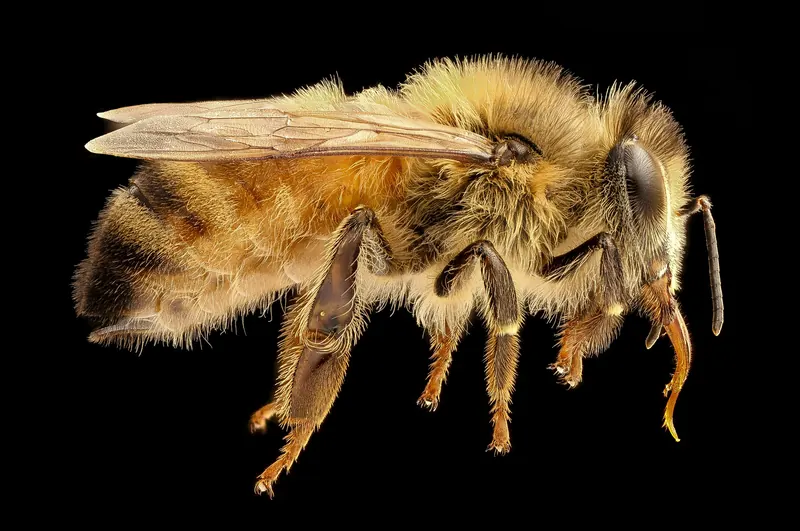
The honey bee dance language
How a returning forager tells her sisters where food is, how we know it works, and what scientists still argue about.
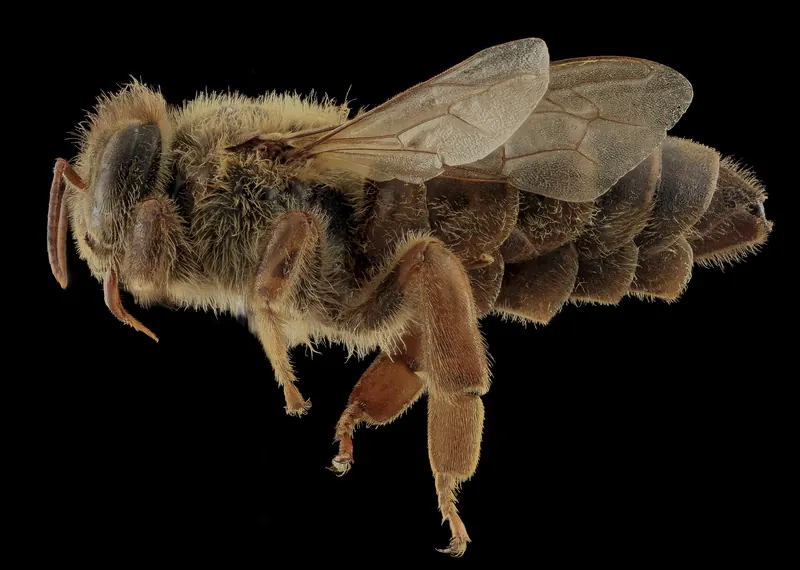
How a honey bee colony swarms and finds a new home
Swarming is how honey bee colonies reproduce, and choosing the new home is a remarkable act of group decision making.
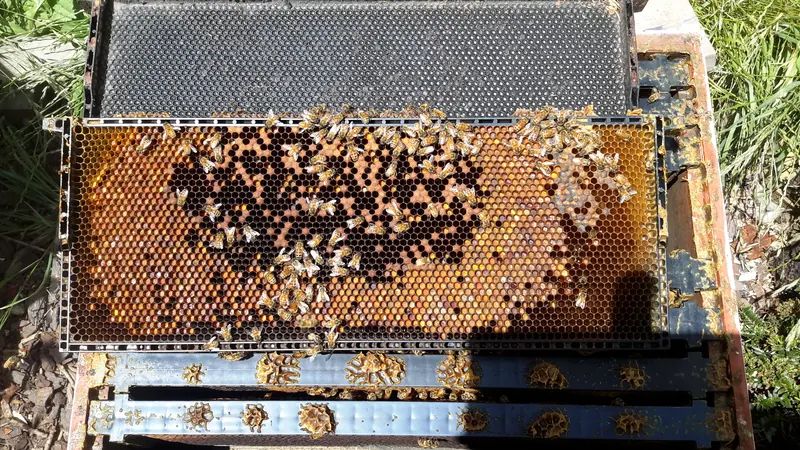
How honey bees heat and cool their home
Honey bees keep their brood warm and steady, fight off the cold in a winter cluster, and even employ dedicated heater bees.
The apiary
Beekeeping in practice. Practical statements name the region they apply to; there is no universal calendar.
4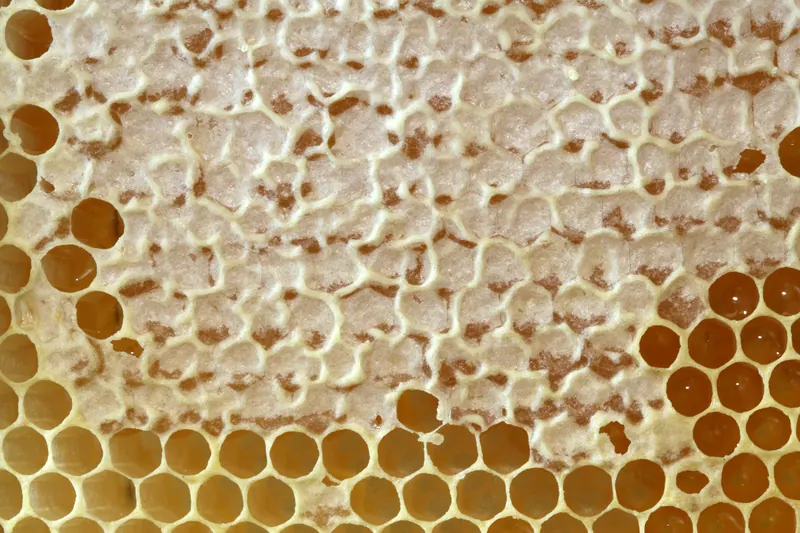
From hollow logs to movable frames: the kinds of beehive
People have housed honey bees in logs, baskets and clay for millennia; the movable frame and the bee space changed how hives could be managed.
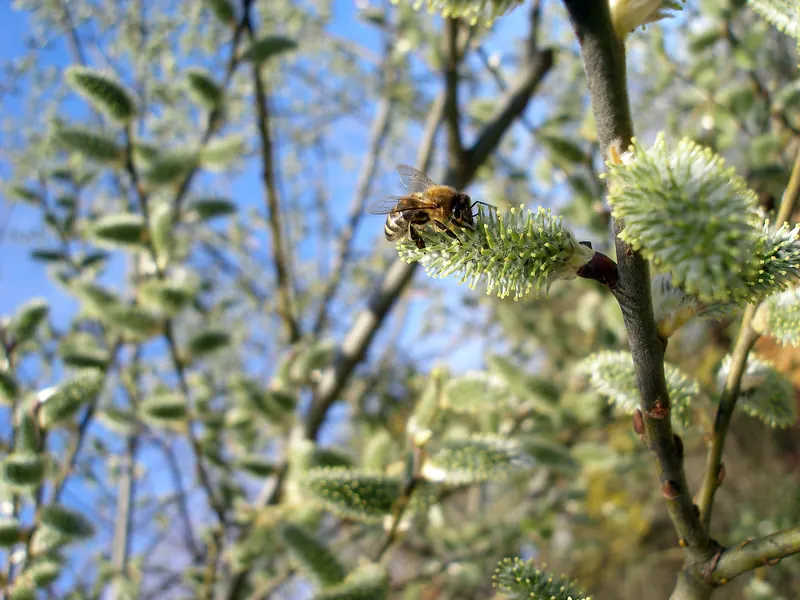
The beekeeping year in Central Europe
How a honey bee colony and its apiary move through the seasons in Germany and neighbouring countries, and why weather keeps shifting the dates.
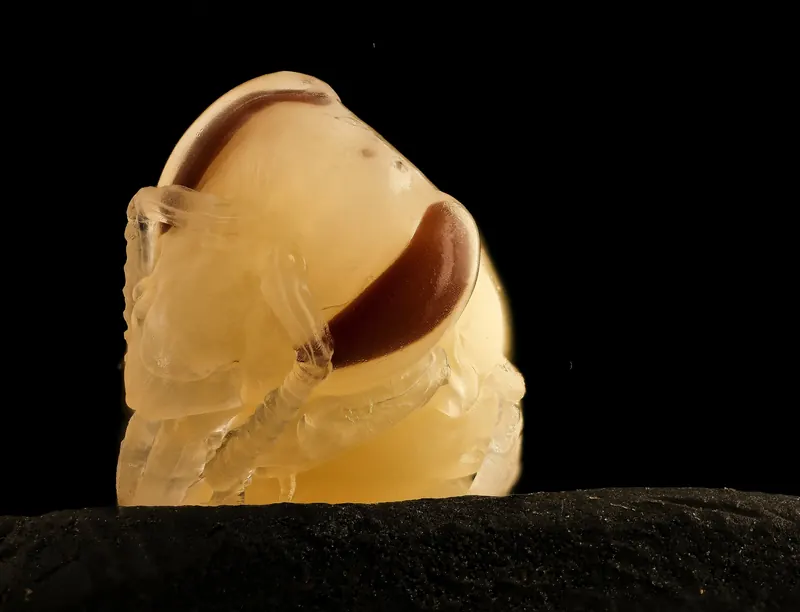
Varroa destructor: the mite that changed beekeeping
A parasite that jumped from the Asian honey bee to the western honey bee, spread worldwide and now spreads viruses linked to colony deaths.
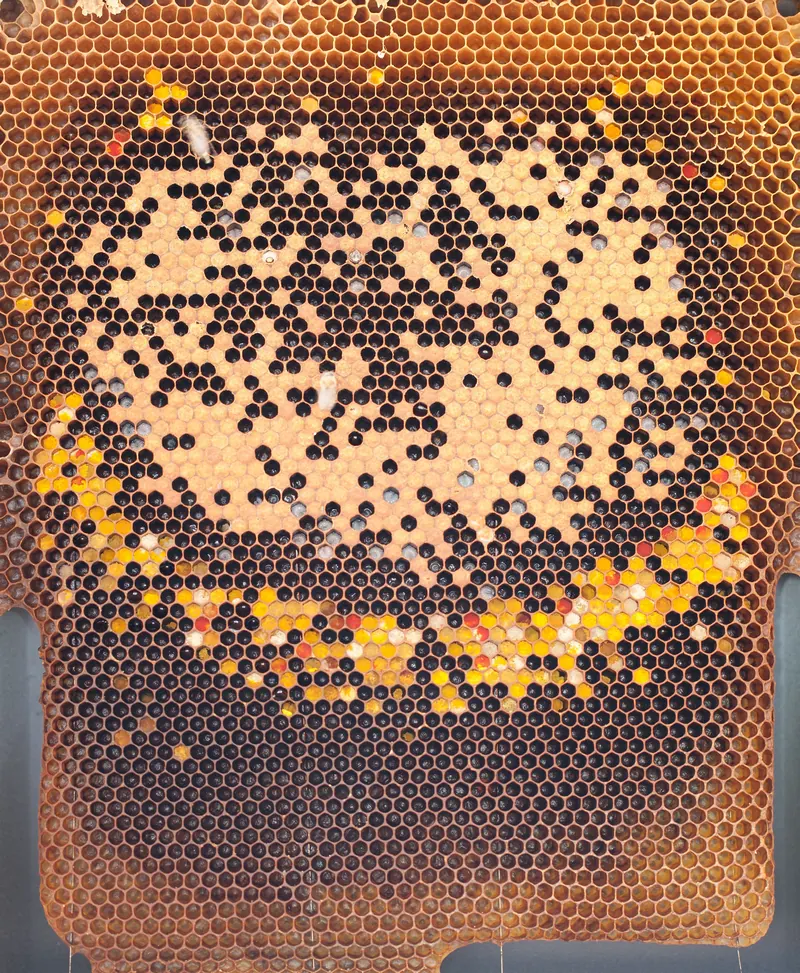
Rules for beekeepers in Germany, Austria and Switzerland
Keeping even one honey bee colony comes with legal duties: registering your bees and reporting certain brood diseases to the authorities at once.